Every so often, you have a conversation in the trade that makes you stop and think.
Not about how to fix a leak, or how to install a ridge tile, but about something bigger the direction the roofing industry itself is heading.
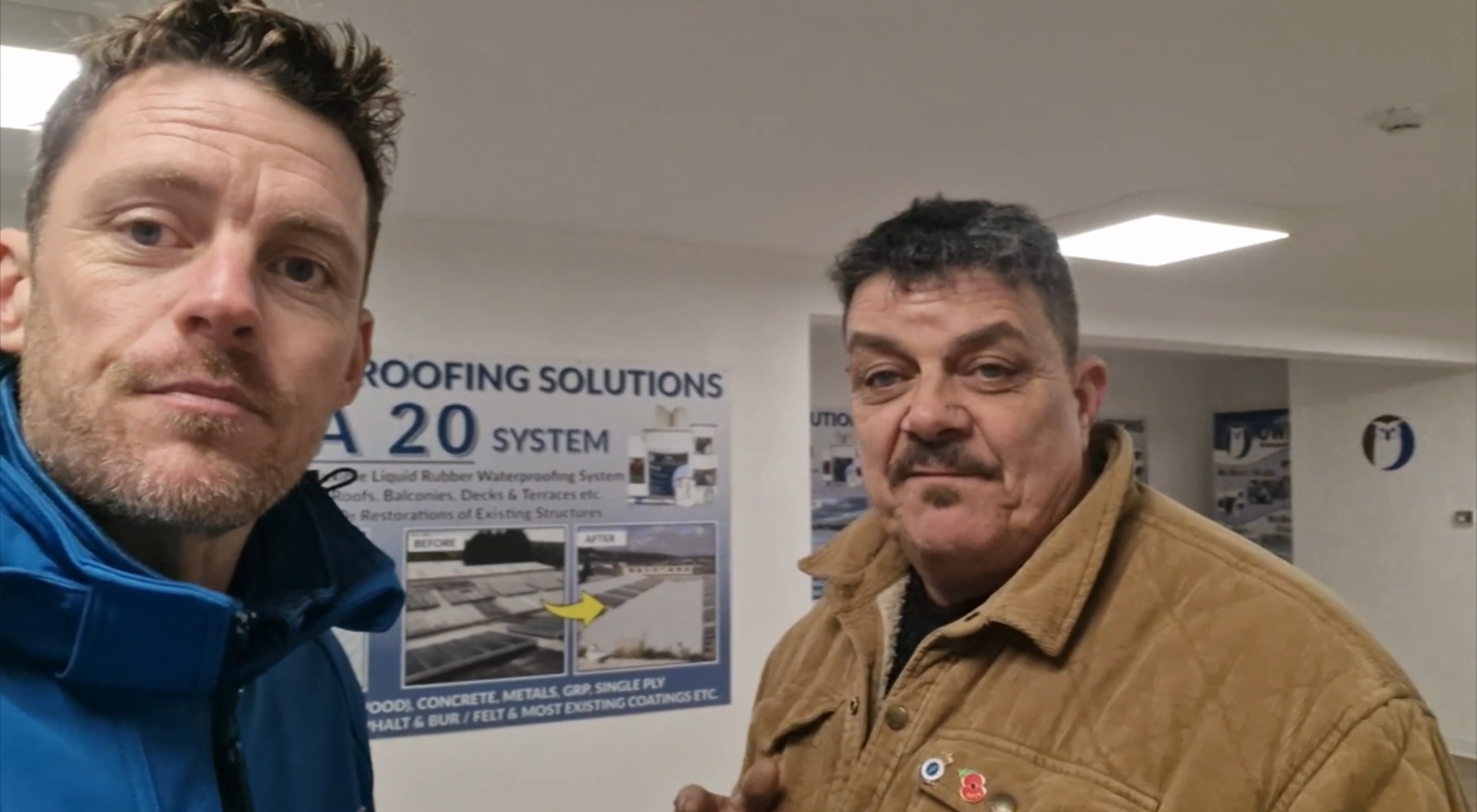
In this video, I sat down with Geoff Smith, widely known as the Roofing Outlaw, and we had a frank discussion about the state of roofing materials, building standards, and whether the people making the decisions are actually listening to the people doing the work.
It’s a conversation that touches on roofing standards, breathable membranes, product quality, and the growing frustration many tradespeople feel about modern construction practices.
If you want to hear Geoff’s thoughts in his own words, you can watch the full video here:
“The Condensation Time Bomb”
One of the phrases Geoff uses early in the conversation is something that many experienced roofers will recognise straight away the “condensation time bomb.”
According to Geoff, there are buildings being constructed today where the systems being used simply don’t perform the way they’re supposed to in real-world conditions. Roofers working on these properties are seeing the consequences first-hand: condensation issues, failing membranes, and roofing systems that don’t seem to last the way they once did.
But the frustration, Geoff argues, is that the people identifying these problems are rarely the people shaping the standards.
The roofers out on site are often the first to see when a system isn’t working properly. Yet the decisions about materials, specifications, and standards are frequently made elsewhere often by committees and panels that may not have the same practical experience.
Experience vs Bureaucracy
One of Geoff’s strongest points is about who actually has a voice when it comes to building standards.
After more than 40 years in the trade, Geoff believes that experienced roofers should have far greater involvement in the panels and committees that determine how roofs are built and what materials are used.
From his perspective, many of these discussions are dominated by what he calls “people in leather chairs” professionals who may have technical qualifications or corporate roles, but who may not have spent decades diagnosing real leaks or installing roofing systems in the elements.
It’s a blunt way of putting it, but the underlying question is important:
Should the people who physically build and repair roofs have a greater influence on how those roofs are specified?
Are Roofing Materials Getting Worse?
Another topic Geoff raises is the perceived decline in material quality across parts of the industry.
When he first started roofing, products may have been simpler, but he argues that many were built to last. Today, there are more systems, more specifications, and more technical documentation yet many roofers report ongoing problems with membranes, tiles, and flat roofing systems.
Of course, roofing technology has also improved in many ways. Systems such as breathable membranes were introduced to help buildings manage moisture more effectively.
But Geoff questions whether some products have been introduced without fully understanding how they perform over time in real-world conditions.
When you’re the person called out to investigate leaks or condensation problems, those theoretical decisions suddenly become very practical ones.
This is something I often see myself when carrying out roof repair work on existing properties. Problems don’t always arise because something was installed badly. Sometimes they happen because the system itself simply isn’t performing as intended.
If you’d like to see the full discussion between Geoff and myself about this issue, it’s worth watching the full video here:
The Challenge for New Products
Interestingly, the conversation also touches on what happens when new products try to enter the market.
Geoff mentions companies attempting to introduce systems that claim to improve durability, breathability, and longevity such as modern coatings and membrane alternatives.
But breaking into the construction industry can be extremely difficult. Established supply chains, certification processes, and industry politics can sometimes make it hard for smaller manufacturers or alternative products to gain traction, even when tradespeople believe the products themselves are effective.
That raises another interesting question:
Is the industry too slow to adopt improvements when they come from outside the traditional system?
The Value of Real-World Experience
One of the themes that runs throughout the conversation is something most tradespeople instinctively understand experience matters.
There’s a huge difference between reading about how a roof should perform and spending years climbing onto them, diagnosing leaks, dealing with condensation problems, and carrying out repairs in real weather conditions.
That kind of experience is hard to replicate in a classroom or a boardroom.
And while technical standards are obviously essential for safety and consistency, Geoff argues that the balance between theory and real-world knowledge may not always be quite right.
So What’s the Answer?
Neither Geoff nor I claim to have all the answers.
But the conversation raises an important point: the roofing industry works best when experience and expertise work together.
Standards panels need technical knowledge. Manufacturers need innovation. But the people installing and repairing roofing systems every day also have a unique understanding of how those systems behave over time.
Finding a better way to bring those voices together could only improve things for everyone — roofers, homeowners, and the buildings themselves.
Join the Conversation
This is one of those topics where there are bound to be strong opinions.
If you work in the roofing or construction industry, you’ve probably seen examples of both excellent products and ones that caused problems.
Do you think experienced roofers should have more influence over building standards and product decisions?
You can watch the full discussion in the video, and I’d genuinely be interested to hear what you think in the comments.
And if you enjoy this kind of behind-the-scenes look at roofing, chimneys, building maintenance, and high-access work, don’t forget to follow along online as well.
Follow Me Online:
• 🌐 Website: www.dji-uk.co.uk
• 🎥 YouTube: @dan_cherrypicker_man
• 🎵 TikTok: @dan_cherrypicker_man
• 📸 Instagram: @dan_cherrypicker_man
• 👍 Facebook: Dan the Cherry Picker Man
• ⭐ Google Business Page: DJI High Access Services – Google Search
• 🛒 Amazon Shop: https://www.amazon.co.uk/shop/danthecherrypickerman?ref_=cm_sw_r_cp_ud_aipsfshop_0H3MM4YGDVAPRTXQJAYV_1
My workwear is sponsored by Granite Workwear, and all of the clothing I’m wearing in the video can be purchased on their website: Workwear Clothing Supplier | Protective Safety Clothes
About the Author
Danny Iwanejko is the founder of DJI High Access Services Ltd, a Nottinghamshire-based company specialising in high-access roofing, chimney maintenance, and building repairs. Known online as Dan the Cherry Picker Man, Danny documents real-world roofing work, problem-solving on site, and honest discussions about the construction industry through his YouTube channel and social media platforms.
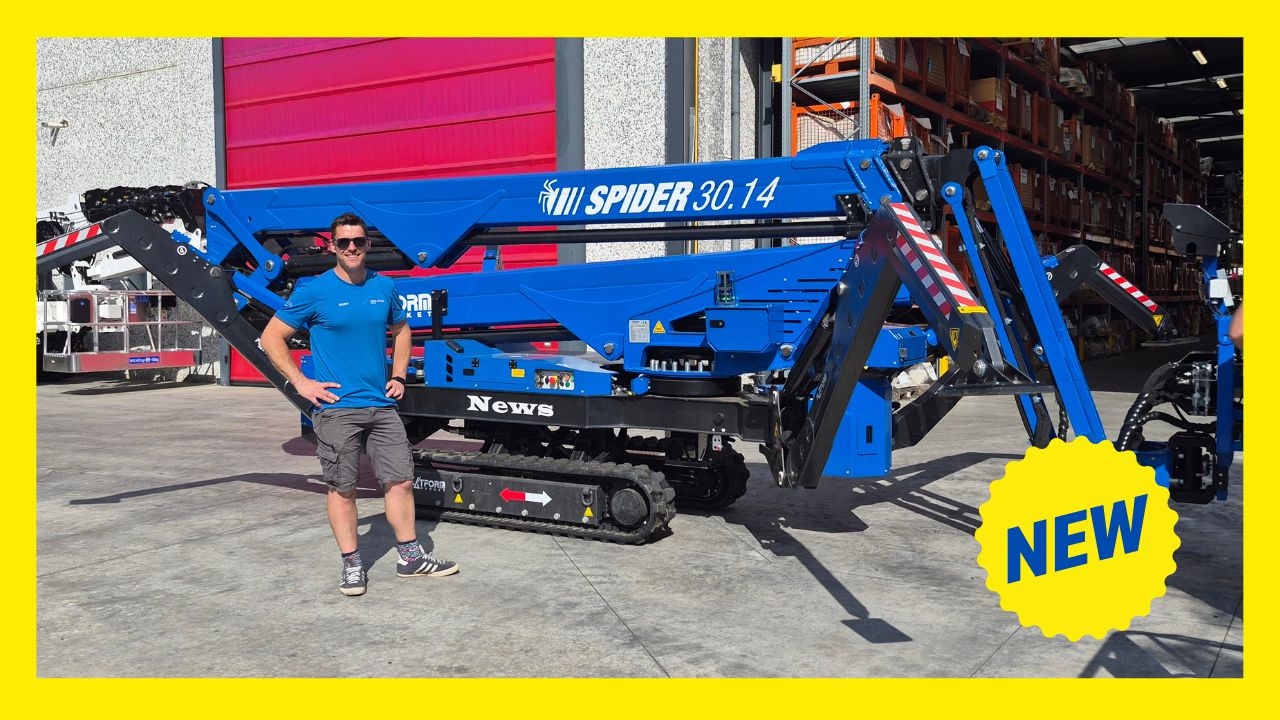
Using a tracked spider cherry picker, Danny carries out a wide range of work including roof repairs, chimney maintenance, gutter clearance, inspections, and difficult-access maintenance that would otherwise require scaffolding.
Through his videos and articles, Danny aims to share practical knowledge from the roofing trade, give an honest look at the day-to-day reality of working at height, and highlight the importance of experience and good workmanship within the construction industry.