When most people think about how a cherry picker is built, they picture robots, production lines, sparks flying from welding bays, and shiny new machines rolling out of factory doors.
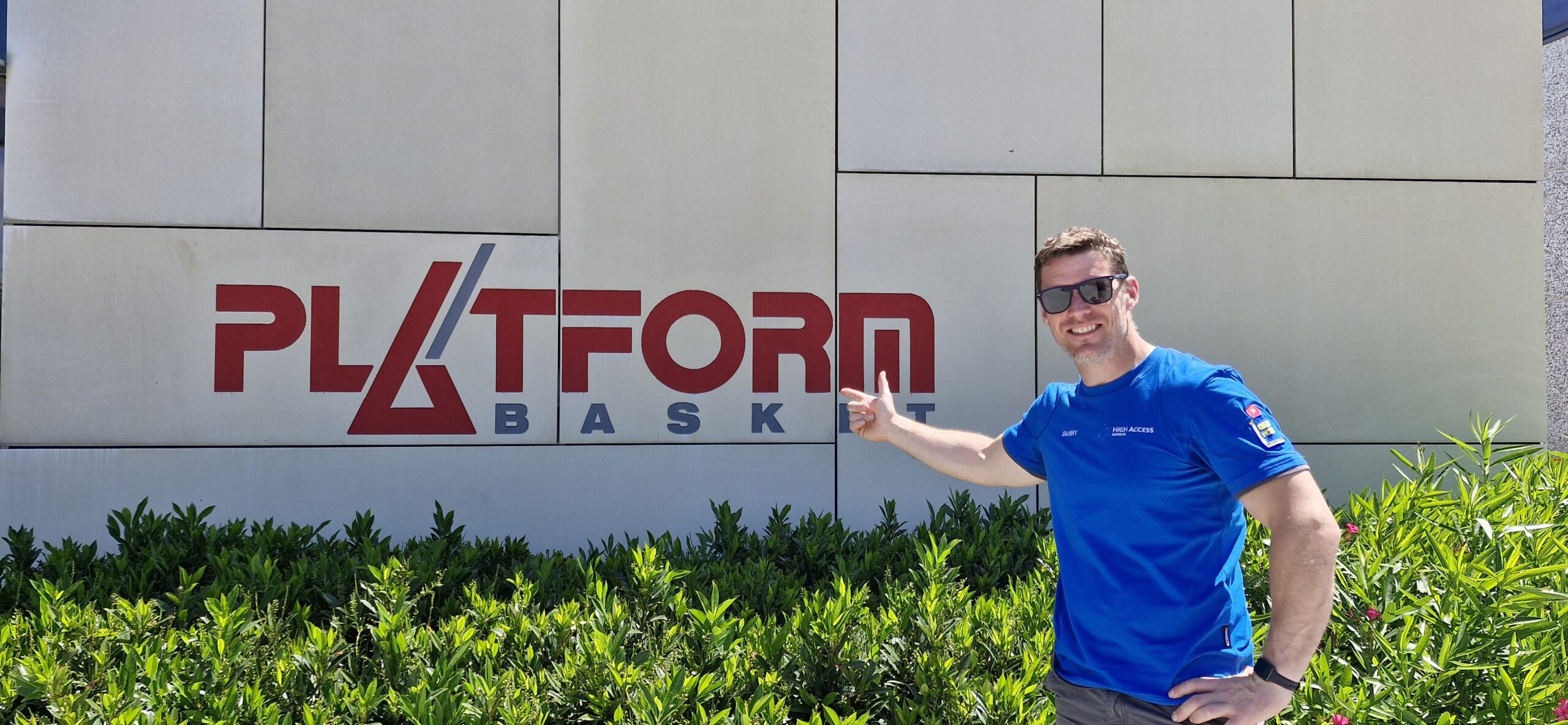
I’ll be honest – that’s exactly what I expected when I travelled to Italy to visit the Platform Basket factory.
What I didn’t expect was to come away talking more about people than machines.
If you’d like to watch the full video before reading further, you can do so here:
Then come back and carry on reading, because there was far more going on behind the scenes than I ever expected.
More Than a Cherry Picker Factory
As somebody who spends most of his working life carrying out roof repairs, chimney repairs, roof leak repair investigations and high-access maintenance using spider lifts, I’ve spent years relying on machines built by other people.
But very rarely do we get to see what goes into making them.
Walking into Platform Basket, I expected engineering.
I found engineering.
But I also found culture.
The more time I spent there, the more I realised this wasn’t simply a company manufacturing access platforms. It was a company built around relationships.
Relationships with staff.
Relationships with dealers.
Relationships with customers.
Relationships with owner operators like me who rely on these machines every day while carrying out everything from chimney repointing to gutter cleaning and specialist roof surveys.
From Raw Steel to Spider Lift
Where the Process Begins
The journey starts with raw steel arriving at the factory.
Large CNC machines cut and shape the components before they’re bent, drilled and prepared for assembly.
Watching this process was fascinating because it highlights just how much work goes into every single component long before a machine ever leaves the factory floor.
As somebody who regularly carries out detailed roof surveys and reports, I spend my days looking at the finished product of somebody else’s workmanship.
Seeing the manufacturing process from the very beginning was a rare opportunity.
Skilled Trades Still Matter
One thing that struck me immediately was how many skilled people were involved.
Yes, there are machines.
Yes, there is automation.
But there are also real welders, engineers and technicians assembling these platforms by hand.
In a world increasingly obsessed with automation, it was refreshing to see skilled tradespeople still playing such a significant role.
The same principle applies to roofing.
Whether I’m carrying out roof repairs, diagnosing a roof leak, or repairing damaged flashing around a chimney, good workmanship still matters.
Technology helps.
Skill makes the difference.
A Factory Cleaner Than Some Hospitals
One of the biggest surprises wasn’t the engineering.
It was the cleanliness.
For a facility processing large quantities of steel, it was remarkably tidy.
Everything had a place.
Everything was organised.
The floors were spotless.
That might sound insignificant, but in my experience, the way people look after their workplace often tells you everything you need to know about the standards they work to.
The same applies when I inspect roofs.
Poor workmanship leaves clues.
Good workmanship does too.
Why Support Matters More Than Specifications
The Most Important Question Nobody Asks
When people buy a spider lift, they often focus on:
- Working height
- Outreach
- Basket capacity
- Machine weight
All important considerations.
But there’s another question that often gets overlooked:
What happens when it breaks?
As someone who has owned a Platform Basket 1890 Pro for nearly a decade, I’ve learned that support matters every bit as much as specifications.
If you’re stuck on a roof carrying out chimney flaunching repairs, replacing lead flashings, or completing a complex access job, downtime costs money.
Having the right support network behind you becomes invaluable.
This principle applies across every industry.
Whether you’re choosing a cherry picker or hiring somebody to carry out chimney maintenance and repair, the people standing behind the service often matter just as much as the service itself.
The Evolution of the Platform Basket 1890
One particularly interesting part of the visit was seeing the evolution of the machine that helped build Platform Basket’s reputation.
The 1890 Pro has been hugely successful across Europe.
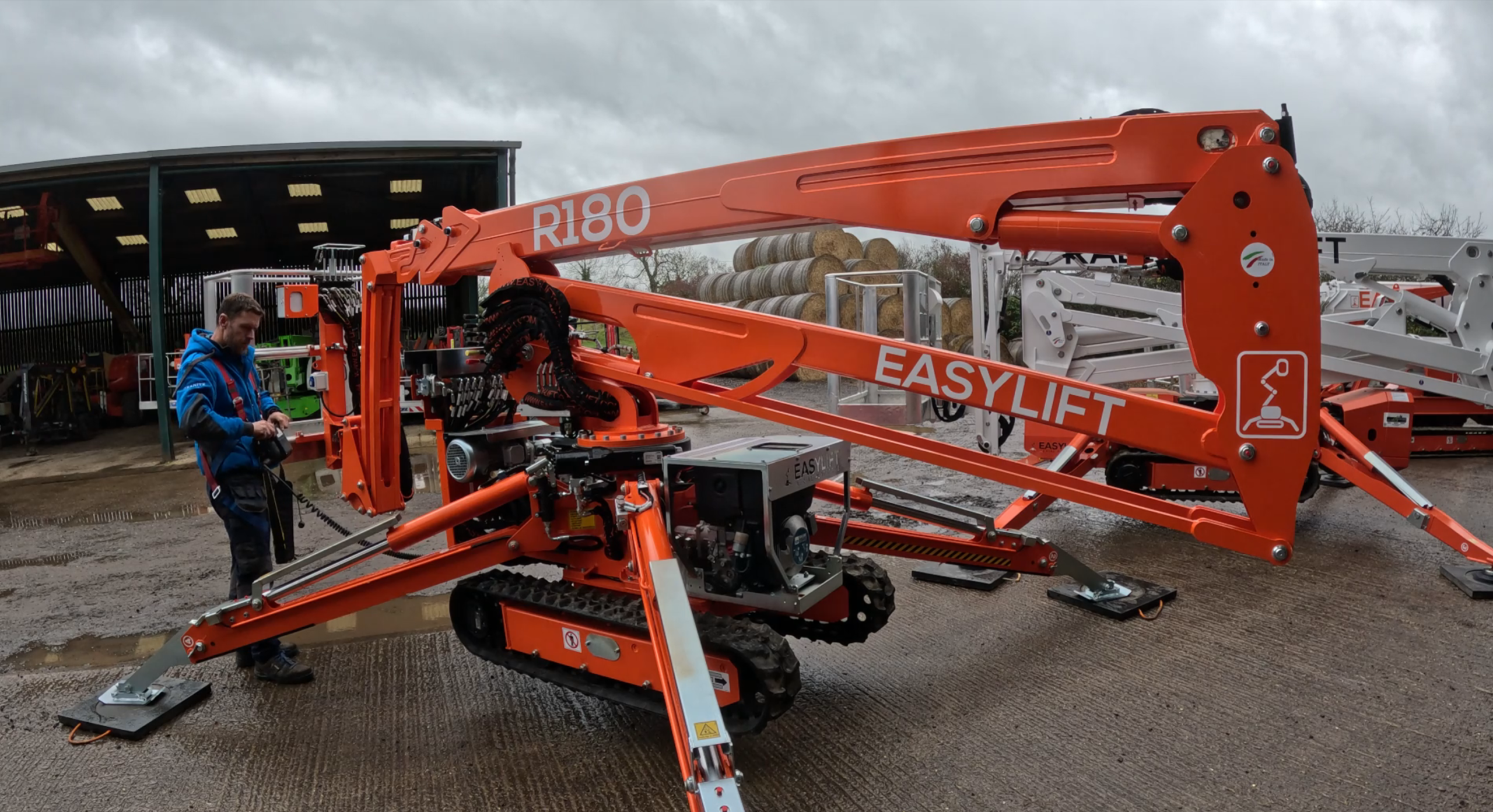
The newer 1895 introduces several improvements including:
- Increased basket capacity
- Radio remote controls
- Improved boom design
- Reduced external hydraulic components
- Winch compatibility
For owner operators, these improvements may seem small individually, but together they make a significant difference to daily use.
It’s the same kind of incremental improvement we see throughout the roofing industry.
Small improvements in materials, methods and equipment often create substantial long-term benefits.
Testing Every Machine Before It Leaves
One thing I particularly appreciated was the testing process.
Every machine undergoes a detailed inspection and operational test before it leaves the factory.
Operators record timings.
Checklists are completed.
Functions are tested.
Problems are identified and corrected.
This level of quality control helps explain why these machines have developed such a strong reputation.
As somebody who regularly uses specialist cherry picker access solutions to complete roofing and chimney projects, seeing this level of testing first-hand was reassuring.
What This Means for Roofing and High-Access Work
Although this video wasn’t about roof repairs or chimney work directly, there are lessons here that apply to both.
Good results rarely happen by accident.
Whether you’re:
- Repairing a leaking roof
- Carrying out chimney repointing
- Replacing failed chimney flaunching
- Completing gutter repairs
- Conducting a roof condition survey
The outcome is usually determined long before work begins.
It’s determined by preparation, systems, quality control and people who care about what they’re doing.
That lesson was visible throughout the entire factory.
The Human Side of Engineering
Perhaps the most memorable thing I learned wasn’t about engineering at all.
It was about leadership.
The founder still visits the factory regularly.
He still speaks with staff.
He still takes an active interest in daily operations.
When you see that level of involvement from the top down, it helps explain why so many employees spend decades working there.
And perhaps that’s why the place feels different.
Not because of the machines.
Because of the people.
If you’d like to see the full factory tour and get a behind-the-scenes look at how Platform Basket build their spider lifts, watch the full video here:
👉 https://youtu.be/zn9D6KTGPgk
Frequently Asked Questions
How are spider cherry pickers made?
Spider cherry pickers are manufactured using a combination of CNC steel processing, fabrication, welding, assembly, testing and quality control. Skilled engineers and technicians play a major role throughout the process, even in modern factories.
Can a cherry picker access tight spaces?
Yes. Many spider lifts are specifically designed to access narrow gates, pathways and restricted areas. You can learn more about specialist cherry picker access solutions here.
How do you fix a leaking chimney?
The correct repair depends on the cause of the leak. Common issues include failed lead flashings, defective chimney flaunching, damaged mortar joints and defective chimney pots. More information is available on our chimney maintenance and repair page.
What causes roof leaks around chimneys?
Roof leaks around chimneys are often caused by failed flashing, cracked flaunching, deteriorated pointing or damaged roofing materials. A professional inspection can identify the exact cause before repairs are carried out.
Are roof surveys worth it?
Yes. A professional roof survey can identify defects before they become expensive problems. This is particularly useful when buying a property, investigating a leak, or planning future maintenance.
Can gutter problems cause roof leaks?
Absolutely. Blocked or damaged gutters can cause water to overflow into roof structures, masonry and loft spaces. Regular maintenance and gutter clearance services can help prevent these issues.
Follow Me Online:
• 🌐 Website: www.dji-uk.co.uk
• 🎥 YouTube: @dan_cherrypicker_man
• 🎵 TikTok: @dan_cherrypicker_man
• 📸 Instagram: @dan_cherrypicker_man
• 👍 Facebook: Dan the Cherry Picker Man
• ⭐ Google Business Page: DJI High Access Services – Google Search
• 🛒 Amazon Shop: https://www.amazon.co.uk/shop/danthecherrypickerman?ref_=cm_sw_r_cp_ud_aipsfshop_0H3MM4YGDVAPRTXQJAYV_1
My workwear is sponsored by Granite Workwear, and all of the clothing I’m wearing in the video can be purchased on their website: Workwear Clothing Supplier | Protective Safety Clothes