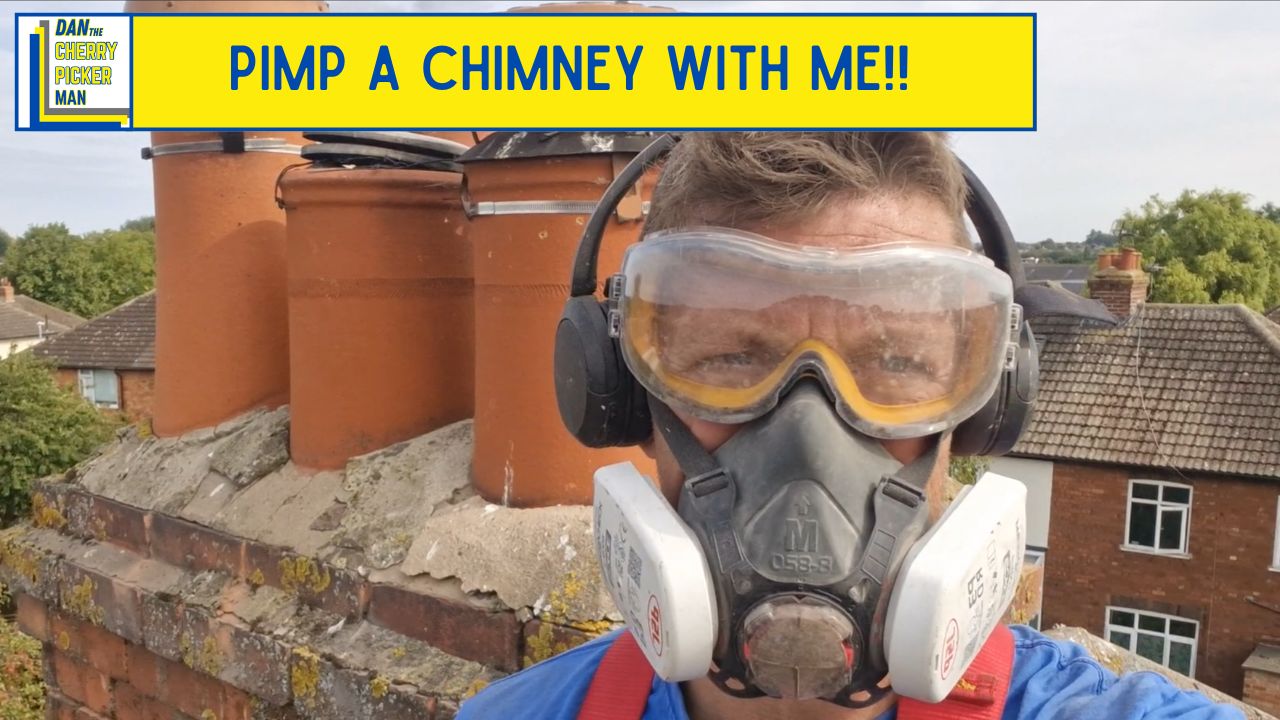
Some days in this job are spent up in the cherry picker carrying out roof repairs, chimney repairs or gutter work. Other days are spent on the ground, looking very serious with a drone controller in my hands while trying not to criss-cross Nottinghamshire like a man who has completely lost control of his diary.
This video was one of those days.
I was out carrying out roof surveys using a drone, visiting properties in Kimberley, Ripley, Sneinton and Mansfield. The idea was to show what I’m actually looking for when I inspect a roof, how I identify potential causes of leaks, and why a proper survey can be far more useful than simply guessing from ground level.
You can watch the full video here, then come back and read the breakdown below:
https://youtu.be/npZ8zHqaCKM
Why I Use Drone Roof Surveys
A drone roof survey allows me to inspect a roof safely, clearly and efficiently without immediately needing ladders, scaffolding or cherry picker access.
I’m insured and qualified to carry out drone roof surveys, and the process is fairly straightforward. I fly over the roof, photograph the issues I find, then put everything into a written report with findings, recommendations and quotations where required.
This is especially useful for customers dealing with roof leaks, chimney problems, slipped tiles, damaged ridge tiles, failed leadwork or suspected poor workmanship.
For customers who need further repairs after the survey, I can then advise whether the work is likely to need specialist roof repair work, chimney repairs, or safe access using my spider cherry picker.
Survey One: Kimberley, Nottinghamshire
The first survey was on a large old school building in Kimberley, Nottinghamshire, which is being converted into flats.
The customer was concerned about daylight showing through the ridge tiles, so the first job was to take a proper look along the ridge line.
Loose Ridge Tiles and Missing Roof Tiles
Once the drone was up, it was clear there were large gaps between the ridge tiles. They weren’t sitting particularly well, and they would benefit from being properly rebedded.
There were also missing tiles in various places, which is exactly the kind of issue that can easily be missed from the ground but becomes obvious once viewed from above.
Small roof defects like this can turn into much bigger roof leak repair problems if they’re left too long.
Chimney Flaunching and Poor Pointing
The chimney on this building also needed attention.
The flaunching on top of the chimney didn’t extend properly to the edge of the brickwork. That matters because chimney flaunching is there to shed water away from the pots and the brickwork. If it’s poorly formed or doesn’t reach the edges properly, water can sit where it shouldn’t and start eroding the mortar joints.
Unsurprisingly, the pointing near the top of the chimney was badly worn.
If the chimney is no longer in use, removing it and tiling over the opening may be the better long-term option. If it is still needed, then proper chimney maintenance and repair would be the way forward.
Survey Two: Ripley, Derbyshire
The second survey was a slightly trickier one.
This was a beautiful converted storehouse, now split into cottages. Lovely building, oak floors, big slabs, loads of character exactly the sort of place where you don’t want water stains running down the chimney breast.
The issue inside looked like a flashing problem. There were big stains coming down the chimney breast, which usually points you towards leadwork, step flashings or water getting in around the chimney.
But from the outside, nothing was immediately screaming at me.
When Roof Leaks Aren’t Obvious
This is where roof surveys become more than just “spot the broken tile”.
The leadwork looked okay at first glance. The pointing mostly looked okay, although there were some missing sections. That made me wonder whether the pointing had simply been overstruck, which can sometimes hide a multitude of sins behind a tidy-looking surface.
There were also some cracks in the chimney flaunching and cowls that needed sealing, but neither of those immediately explained the staining inside.
This is why reviewing drone footage on a laptop afterwards is so useful. You can see the details far better than you can on the controller screen while standing outside.
Sometimes the honest answer is: “I need to inspect the footage properly before I give a firm diagnosis.”
That might not sound as exciting as pretending to know everything instantly, but it’s a much better way to avoid charging a customer for the wrong repair.
Survey Three: Sneinton, Nottingham
After a very efficient and sensible route was completely ruined by the reality of running a one-man business, I headed across to Sneinton in Nottingham.
This roof had plenty going on.
Vegetation Around the Chimney
The first obvious issue was vegetation growing around the chimney and roof junction.
Vegetation on a roof is never a good sign. It holds moisture, blocks drainage channels and often points to areas where debris has been allowed to sit for too long.
Around the back gutter of the chimney there was a build-up of rubbish, broken tiles and even a bottle of water. That’s not exactly what you want to find on a roof.
It suggested someone had been up there before, done some work, and not left things in the best condition.
Poor Chimney Flaunching Repairs
The chimney flaunching looked as though someone had simply put mortar over the top of the existing flaunching.
That is not a proper long-term repair.
Good chimney flaunching needs to be sound, shaped correctly and properly bonded. Just smearing mortar over old failed material is usually a temporary bodge, and eventually it cracks, lifts or allows water back in.
The pointing on the chimney didn’t look great either, so this would definitely need flagging in the report.
Slipped Slates, Valleys and Lead Flashing Issues
There were slipped slates around the property, including in the valleys.
The dormer area also had issues. Buddleia was growing out of the flashing, which is one of those things that looks almost impressive until you remember it’s growing out of someone’s roof.
There was also mortar benching between the roof and the cladding slates on the dormer, which suggested there may have been an issue with the soakers or detailing beneath.
Another notable issue was missing sealing where the step lead flashing met the neighbouring wall. If the seal between the leadwork and brickwork fails, water can get behind the flashing and run down into the property.
For issues like this, proper access is often the key to doing the repair safely and neatly. That’s where cherry picker access can be a much better option than trying to work awkwardly from ladders.
You can see the Sneinton roof survey in the video here:
https://youtu.be/npZ8zHqaCKM
Why I Charge Upfront for Roof Surveys
One of the realities of running a small roofing and high-access business is that time, fuel and route planning all matter.
I charge upfront for roof surveys because, in the past, I’ve turned up to properties only to be told the customer no longer needed me, had already had the work done, or had found someone else.
That’s not ideal when you’ve driven across Nottinghamshire with equipment, fuel and a full working day planned.
Charging upfront means customers are committed, and if they no longer need the survey, they usually let me know.
On this particular day, a few payments came through at different times, which meant my route turned into a slightly ridiculous zig-zag around Nottinghamshire and Derbyshire. Kimberley, Ripley, Sneinton, Mansfield not exactly a masterpiece of logistics.
Still, the surveys got done. My sanity survived. Just about.
Survey Four: Mansfield
The final survey of the day was in Mansfield.
This one was interesting because the roof itself looked good. It was a newer roof, the leadwork looked tidy, and there was no obvious external defect jumping out.
But inside, there was staining and what looked like hygroscopic salts.
When Damp Isn’t Always an Active Roof Leak
Hygroscopic salts can remain in old plaster or masonry after a previous damp issue. When the atmosphere is damp, those salts can draw moisture back to the surface, making it look like there is still an active leak.
This property dated back to the 1800s, so it wouldn’t be surprising if there had been historic damp issues in the past.
My likely recommendation was to make sure the leadwork was properly sealed into the stonework, treat the external masonry to improve water resistance, and then allow the customer to deal with the internal plaster and salt contamination properly.
This is a good example of why roof leak repair isn’t always as simple as “find hole, fill hole”.
Sometimes the roof is sound, but the building is still showing the effects of an older problem.
What a Roof Survey Report Includes
After the site visits, the real work begins.
I review the footage, select the relevant photos, identify the problems, explain what they mean, and produce a written report for the customer.
A good roof survey report should make sense to a normal homeowner, not just another roofer. It should clearly explain:
- What defects have been found
- Why they matter
- What could happen if they’re ignored
- What repair options are available
- Whether further access or inspection is needed
- How the work could be carried out safely
For some customers, the result may be a small repair. For others, it may lead to chimney repointing, chimney flaunching, leadwork repairs, gutter cleaning or more involved guttering services.
The Value of Seeing the Roof Properly
A lot of roof problems are impossible to diagnose properly from the ground.
You might see internal damp staining, but the cause could be failed leadwork, cracked flaunching, porous masonry, slipped slates, blocked gutters, valley issues or old salts in the plaster.
That’s why a proper roof inspection matters.
Drone surveys are a practical first step because they allow me to see the roof safely and in detail. If the work then needs carrying out, I can plan the safest access method, whether that’s ladders, roof access equipment or my spider cherry picker.
For awkward high-level repairs, cherry picker hire with an operator can often make the job safer, quicker and less disruptive than scaffolding.
Frequently Asked Questions
How do you repair a chimney leak?
The first step is identifying where the water is getting in. Common causes include failed lead flashing, cracked chimney flaunching, poor chimney repointing, open chimney pots or porous brickwork. Once the cause is confirmed, the repair may involve sealing or replacing leadwork, repointing the chimney, reflaunching the top or carrying out wider chimney repair work.
What causes roof leaks around chimneys?
Roof leaks around chimneys are often caused by failed step flashing, damaged soakers, cracked flaunching, deteriorated mortar joints or open pots allowing rainwater into the flue. Vegetation and debris around the chimney can also trap water and make the problem worse. A drone roof survey can help identify the most likely cause before repair work begins.
Are drone roof surveys worth it?
Yes, drone roof surveys are useful because they allow the roof to be inspected safely without immediately needing scaffolding or ladders. They are especially helpful for spotting slipped tiles, ridge tile problems, chimney defects, blocked gutters, damaged valleys and lead flashing issues. They also provide clear photos for reports and quotations.
Can a cherry picker access tight spaces?
A spider cherry picker can often access areas that other machines cannot, especially where there are narrow side passages, gardens or awkward rooflines. Access depends on the width, ground conditions and setup area available. For many roof repairs and chimney repairs, cherry picker access is a safer and more efficient option than working from ladders.
How much does chimney repair cost in the UK?
The cost of chimney repair in the UK depends on the size of the chimney, access, height, condition and type of repair needed. Simple sealing or minor repointing may cost far less than full chimney repointing, chimney flaunching or chimney removal. A proper survey helps identify the exact work required before a quote is provided.
Do blocked gutters cause roof leaks?
Yes, blocked gutters can cause water to overflow, soak into walls, damage fascia boards and contribute to damp issues inside a property. Gutters, valleys and roof drainage areas should be kept clear so water can leave the roof properly. If access is difficult, professional gutter clearance may be needed.
Watch the Full Video
If you want to see the surveys, the drone footage and the slightly chaotic route around Nottinghamshire and Derbyshire, watch the full video here: https://youtu.be/npZ8zHqaCKM
It’s a good behind-the-scenes look at how I carry out roof surveys, what I look for, and why proper diagnosis matters before jumping into roof repairs or chimney repairs.
Follow Me Online:
• 🌐 Website: www.dji-uk.co.uk
• 🎥 YouTube: @dan_cherrypicker_man
• 🎵 TikTok: @dan_cherrypicker_man
• 📸 Instagram: @dan_cherrypicker_man
• 👍 Facebook: Dan the Cherry Picker Man
• ⭐ Google Business Page: DJI High Access Services – Google Search
• 🛒 Amazon Shop: https://www.amazon.co.uk/shop/danthecherrypickerman?ref_=cm_sw_r_cp_ud_aipsfshop_0H3MM4YGDVAPRTXQJAYV_1
My workwear is sponsored by Granite Workwear, and all of the clothing I’m wearing in the video can be purchased on their website: Workwear Clothing Supplier | Protective Safety Clothes